Online Baglama Course
More Links
- Accordion
- Cajon
- Cello
- Clarinet
- Classic Violin
- Double Bass
- Electric Guitar
- Flute
- Guitar
- Handpan
- Hangderam
- Harmonica
- Harmonica
- Harp
- Lakota Fluet
- Lyre
- Melodica
- Persian Tang
- Piano
- Saxophone
- Ukulele
- Violin Alto
- Hearing training
- Iranian Singing
- Persian Avaz
- Persian Chore
- Persian Foley
- Persian Pop Singing
- Persian Singing
remove filters


Eghbal Mansour - Baglama
Tuition : 1,200,000 toman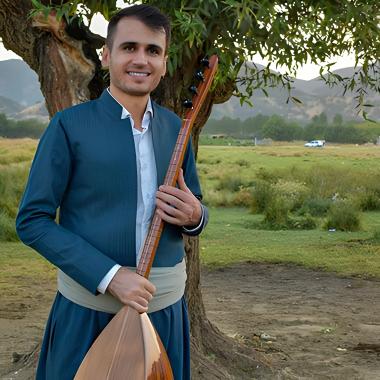
Adnan Ahmadi - Baglama
Tuition : 2,000,000 toman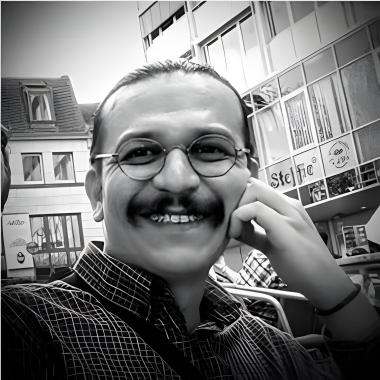
Yashar Behnoud - Baglama
Tuition : call for price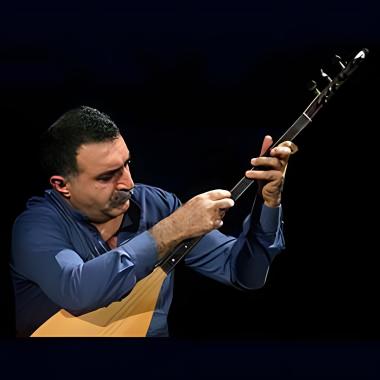
Ardel Arzanjan - Baglama
Tuition : 0 tomanStudents Videos
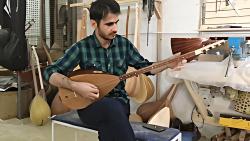
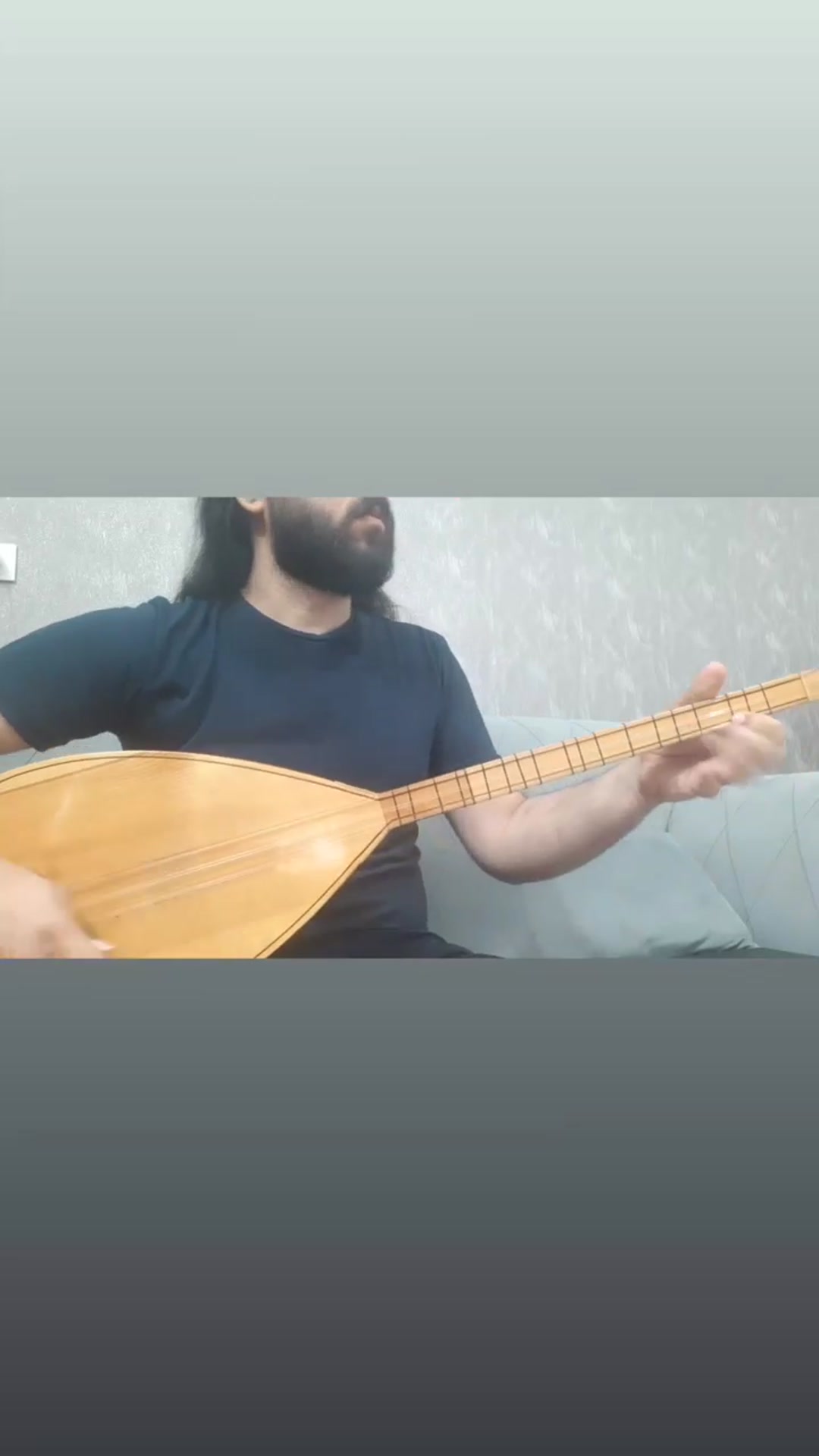
Baglama
Online Baglama Lessons – Learn to Play with Confidence
The baglama has a distinctive sound, but getting started can feel confusing. You have strings to navigate, unfamiliar finger positions, picking techniques to learn, and different styles of music to explore.Many beginners end up playing the same few notes without really knowing how to move forward.
Our online baglama lessons give you a clear path from your first notes to playing real melodies, with lessons adapted to your level, instrument, and musical interests.
Baglama for Beginners – Start Without Feeling Lost
A good baglama course should make the first steps simple.You'll learn how to hold the instrument comfortably, understand the strings and frets, use the pick, and coordinate both hands. Instead of jumping straight into complicated pieces, you'll build the basic skills you need to play comfortably.
As you improve, you'll start putting those skills into actual melodies and songs.
Baglama Technique: Small Details Make a Big Difference
Good baglama technique isn't about playing as fast as possible. It's about having control over your hands and producing a clean, natural sound.You'll work on picking, fingering, rhythm, hand coordination, and moving smoothly between notes. These details may seem small at first, but they become especially important as you move toward more challenging pieces.
The goal is to make the instrument feel more natural in your hands.
Turkish Baglama, Kurdish Baglama and Anatolian Folk Music
The baglama is closely connected to a wide range of musical traditions.If you're interested in Turkish baglama, you'll have the opportunity to explore the sounds and repertoire associated with Turkish music. If your interests are closer to Kurdish baglama, lessons can focus on the melodies and playing styles that fit that tradition.
You can also explore Anatolian folk music and discover how the baglama became such an important part of its musical landscape.
Long-Neck or Short-Neck Baglama?
Not every baglama is the same.The long-neck baglama and short-neck baglama have differences in their neck length, tuning, range, and playing approach. Understanding these differences can be useful when choosing an instrument or deciding what repertoire you want to learn.
Whichever type you play, lessons can be adapted to the instrument you're actually using.
The difference between divan and baglama
Baglama and divan are the kinds of instruments used in different cultures, especially in Turkey and some parts of Iran and Iraq (Kurdistan). However, there are important differences between these two:Size: Divan is generally bigger than baglama.
Bowl: Divan's bowl is deeper than baglama.
Number of frets: Divan has more frets than baglama.
Tuning: The tune of Divan is lower than baglama.
Voice: Divan's voice is more expressive and deeper than baglama's.
What Can You Expect to Improve?
With regular practice, you can work toward:More confident picking and fingering
Better rhythm and hand coordination
Cleaner and more controlled playing
A stronger foundation in baglama technique
Learning real melodies and songs
Better understanding of Turkish and Kurdish playing styles
Exploring Anatolian folk music
Feeling more comfortable with your instrument
Instead of practicing randomly, you'll have a clearer idea of what to work on and how each exercise connects to actual music.
Don't Let Bad Technique Become a Habit
When you're learning on your own, it's easy to repeat a movement simply because it feels comfortable.The problem is that an awkward picking pattern, poor hand position, or unnecessary tension can become difficult to change later. What feels like a small issue at the beginning may become a real obstacle when you try faster rhythms or more complex melodies.
Building the right foundation early can make your progress much smoother.
What Our Students Say
The following are sample testimonials and should be replaced with real student reviews before publishing.“I had been trying to learn baglama on my own, but I kept getting stuck at the same level. The lessons finally gave me a clear direction.”
“I wanted to learn Turkish folk music rather than just practice random exercises. Being able to work on actual melodies made practice much more enjoyable.”
Why Do Students in Iran and Around the World Choose Inavaz?
💰 Fair Pricing Based on Iranian StandardsOur lesson fees are based on rates in Iran. Even when paying in dollars or euros, the cost remains significantly lower than private music lessons in many other countries.
🌍 Learn From Anywhere in the World
Join private music lessons from anywhere in the world. All you need is an internet connection — no commuting, no geographical limitations.
👨🏫 Selected Teachers From Iran and Abroad
Learn from a combination of experienced teachers based in Iran and instructors living abroad, bringing together musical expertise and international teaching standards.
🎼 Fully Private & Personalized Lessons
Every lesson is tailored specifically to your:
Skill level
Age and learning goals
Musical style and preferences
🗣 Learn in Persian or English
Our lessons are suitable for:
Iranians living abroad
Bilingual students
Non-Iranian students interested in Iranian music
💳 International Payments in USD & EUR
Despite international payment restrictions, we provide options for paying in foreign currencies. Any additional cost for international payments is kept transparent and reasonable.
Ready to Start Playing Baglama?
Whether you're completely new to the instrument or already know a few melodies, you can start from your current level.Learn the fundamentals, improve your technique, explore the style you love, and gradually build a repertoire that feels like your own.
Start with an introductory lesson based on your experience, your type of baglama, and the music you want to play.
You'll get a clear starting point and practical guidance on what to practice next.
Contact us. Take your first step into baglama today and turn your first notes into real music.
The time required to learn baglama depends on your effort and practice. However, to learn the basics and play baglama well, you need daily and constant practice. If your trainings are enough, you’ll almost complete the elementary course in about 3 and a half to 4 months.
Yes, by choosing our online courses, you can learn the bağlama from anywhere in the world. These classes are conducted privately and online. You can also use free instructional videos for practice.
No, even if you have no prior experience in playing an instrument, you can start with our divan training courses. Our instructors teach from beginner to advanced levels.
Classes are conducted in both Persian and English. Some instructors are capable of teaching in both languages.
The duration of the training courses depends on your skill level. However, beginner to advanced courses typically take between 3 to 6 months.
Yes, in online classes, you can ask your instructor questions and receive immediate feedback if needed. Most learning platforms offer messaging or voice communication options.
Yes, classes are conducted live, and you have the option to record the online session. Additionally, you can access free instructional videos for further practice.