Online Piano Course
More Links
- Accordion Course
- Piano Course
- Persian Tang Course
- Harp Course
- Lyre Course
- Harmonica Course
- Saxophone Course
- Flute Course
- Lakota Fluet Course
- Cajon Course
- Clarinet Course
- Double Bass Course
- Guitar Course
- Electric Guitar Course
- Melodica Course
- Harmonica Course
- Handpan Course
- Hangderam Course
- Violin Alto Course
- Classic Violin Course
- Cello Course
- Ukulele Course
- Accordion
- Cajon
- Cello
- Clarinet
- Classic Violin
- Double Bass
- Electric Guitar
- Flute
- Guitar
- Handpan
- Hangderam
- Harmonica
- Harmonica
- Harp
- Lakota Fluet
- Lyre
- Melodica
- Persian Tang
- Piano
- Saxophone
- Ukulele
- Violin Alto
- Hearing training
- Iranian Singing
- Persian Avaz
- Persian Chore
- Persian Foley
- Persian Pop Singing
- Persian Singing

Aryana Shirangi - Piano
Tuition : 1,200,000 toman
Arezoo Bakhshandeh - Piano
Tuition : 1,200,000 toman
Kamand Tavasoli - Piano
Tuition : 1,200,000 toman
Nima Garshasbi - Piano
Tuition : 1,200,000 toman
Erfan Adib - Piano
Tuition : 2,000,000 toman
Mohammadhossein Dadfar - Piano
Tuition : call for price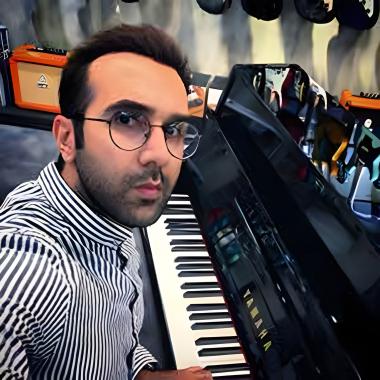
Alireza Tavakoli - Piano
Tuition : call for price
Soheil Zamanian - Piano
Tuition : call for price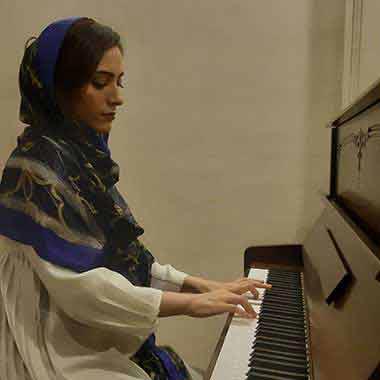
Arshameh Tafteh - Piano
Tuition : call for price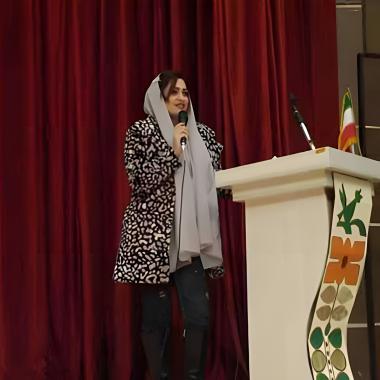
Malihe Mazandarani - Piano
Tuition : call for price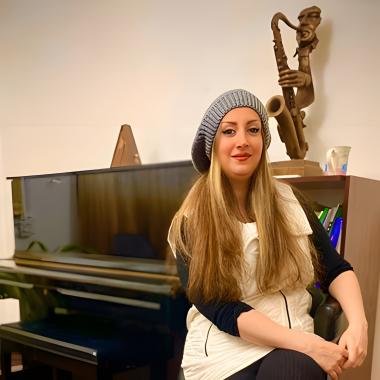
Sara Mirhashemian - Piano
Tuition : call for price
Ali Shojaifard - Piano
Tuition : call for price
Darya Mohammadi - Piano
Tuition : call for price
Azade Sharafi - Piano
Tuition : call for price
Romina Vafadar - Piano
Tuition : call for priceStudents Videos
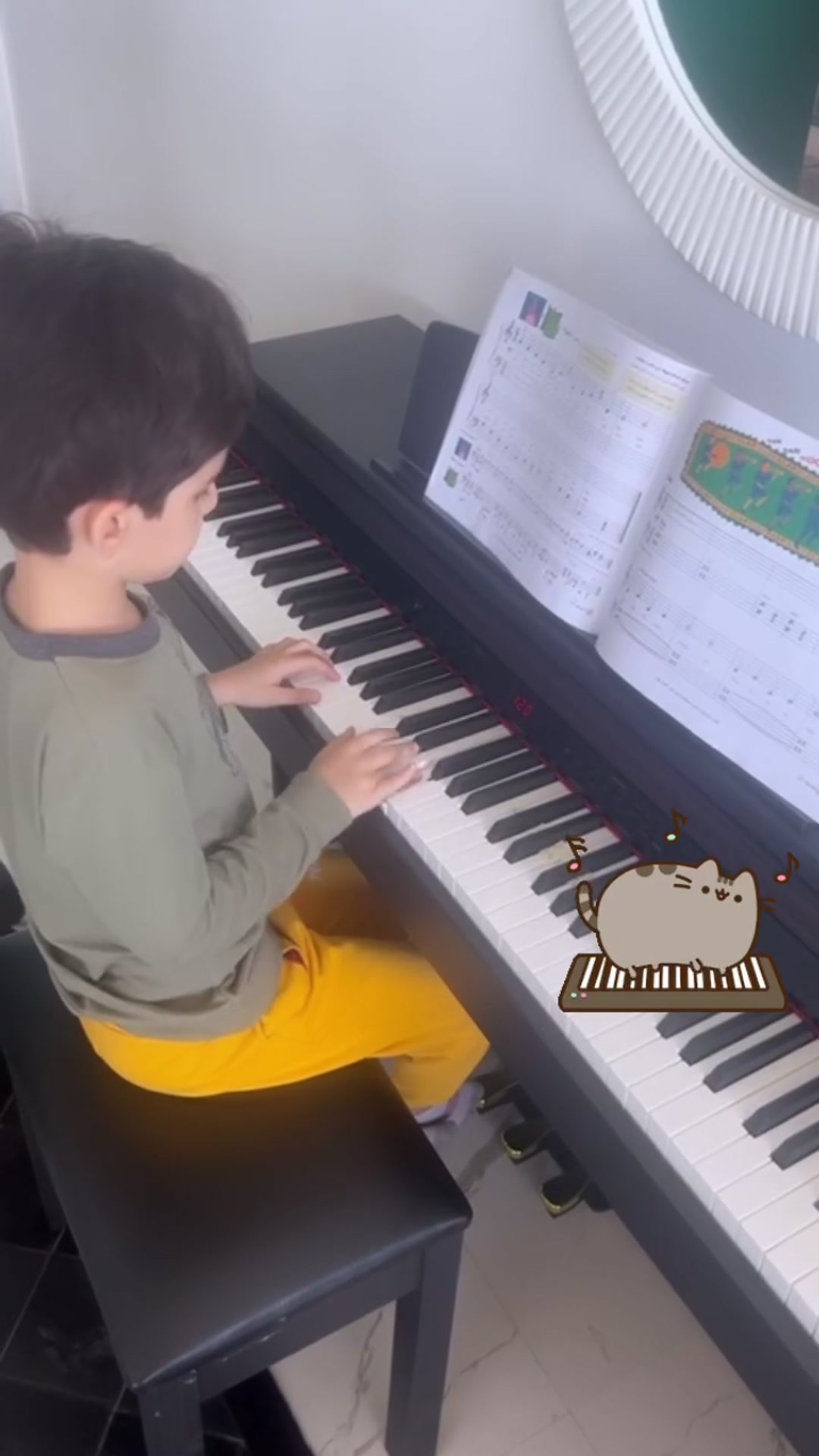
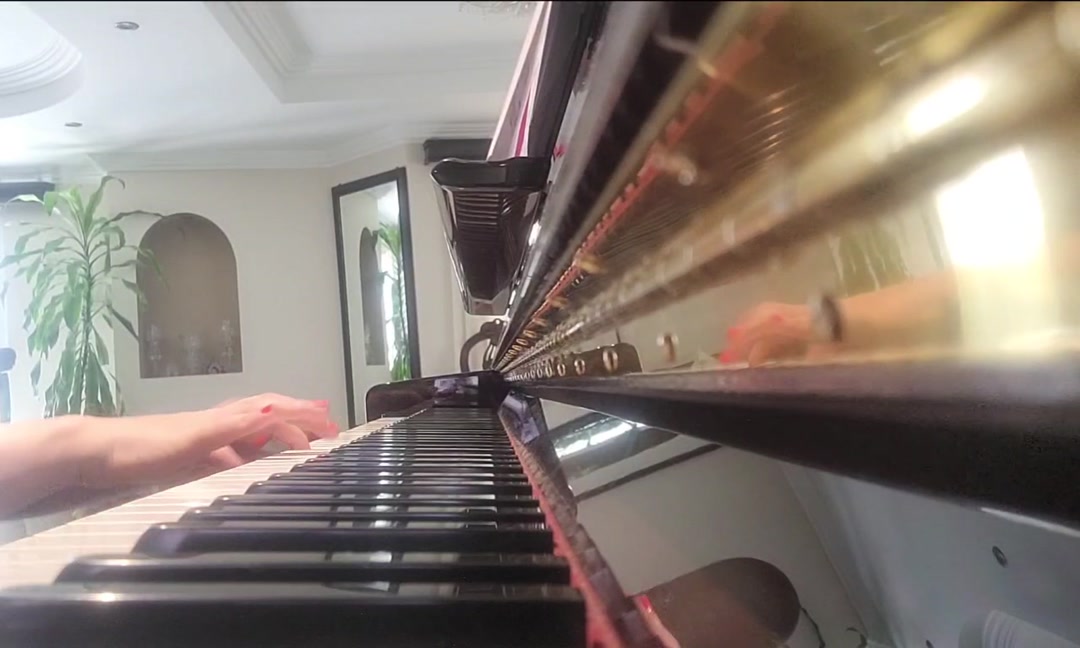
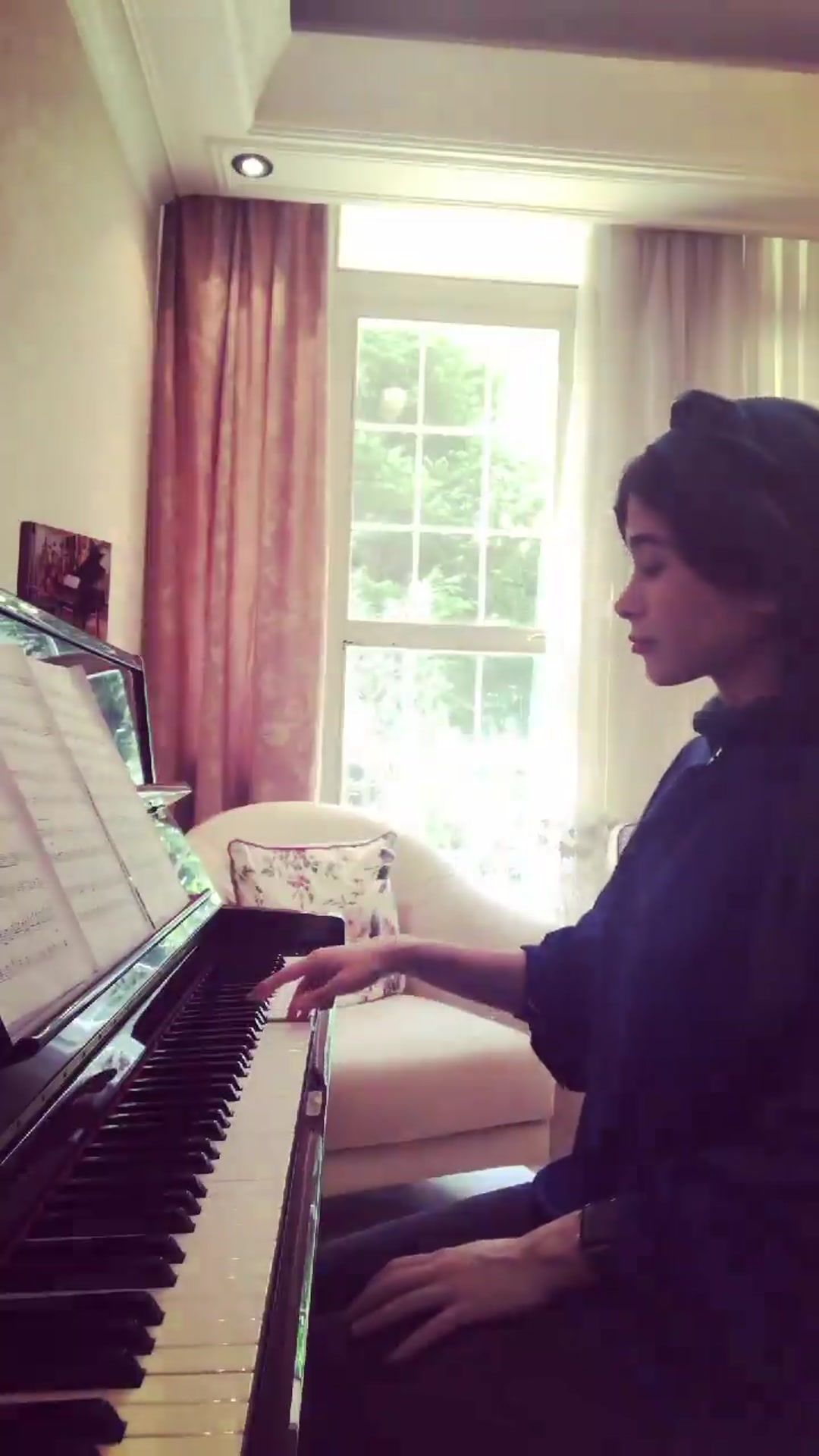
Piano
Bring dead piano keys back to life again with online piano lessons
Online piano training wasn’t anything but a dream in the past, but Inavaz Institute made this impossible dream happen by attending online piano training. Inavaz group has done the necessary things for the goal of providing the best Iranian piano training abroad and also for English speakers to attend the piano class at home.
Must be mentioned that the experience of many students in the past has shown that it’s not possible to learn piano without a teacher, and the result of insisting on learning piano without a teacher is nothing but wasting time and energy. But on the other hand, in the recent few years, holding piano classes at home has been very successful and the level of students’ satisfaction is statics itself to the amount of success for the online piano training project.
This article first explains how to hold online piano trainings. Then it talks about the features of piano trainings from beginner to advanced at home. It will be represented how to discover Inavaz group teachers, some important tips about buying a piano and the factors affecting the price of this instrument perfectly. At the end it will be explained about the cost of the piano class and how to pay it.
How the online piano trainings attend
Piano trainings for Iranians living abroad and English speakers are held at Inavaz Institute in the form of half-hour live sessions with only the teacher and student. The time of these classes has also been chosen one day a week and there is a careful planning behind picking this time. The purpose of holding an online piano class for one day a week is that the student has the opportunity to practice during the week until the next session comes. In fact, the student can practice well during the week until the next training session comes and even if he/she faces a problem, he/she can ask question through the Skyroom platform with Inavaz group backup.
After the student asks the question, the honorable assistant will share the student's question or problem with the teacher as soon as possible and then will answer the student in the shortest time. Needless to say that the student can ask the teacher questions during the online piano class.
The best piano trainings from beginner to advanced at home
Piano is among the heavy and mostly difficult instruments, and if people have a serious decision to start elementary to advanced piano trainings for children, they should be well trained. A fine and principled education also requires skilled and expert teachers in this field.
On the other hand, most of the expert teachers are in big cities, and this causes countless people to not be able to access to these teachers. This problem is more serious for Iranians abroad or English speakers living in foreign countries. Therefore, Inavaz group attends Iranian piano training courses from beginner to advanced at home; with the help of famous piano teachers in Iran. Fortunately, most of the famous piano teachers in Iran have also accepted to teach the children from elementary to advanced piano trainings at Inavaz group.
The meaning of beginner to advanced piano training is that anyone with any level can register in these classes. Of course, it is obvious that primary piano training for children is much more difficult, also requires more of a specializing training because the student is a beginner. In fact, if the students are satisfied with the elementary piano training, this will be a motivation for them to continue their education at advanced levels.
Therefore, it must’ve been pay more attention to the role of teacher in the elementary piano education for children and try to choose a teacher who can build a better relationship with the student's mentally. In the following, more explanations are given on how to diagnose this issue.
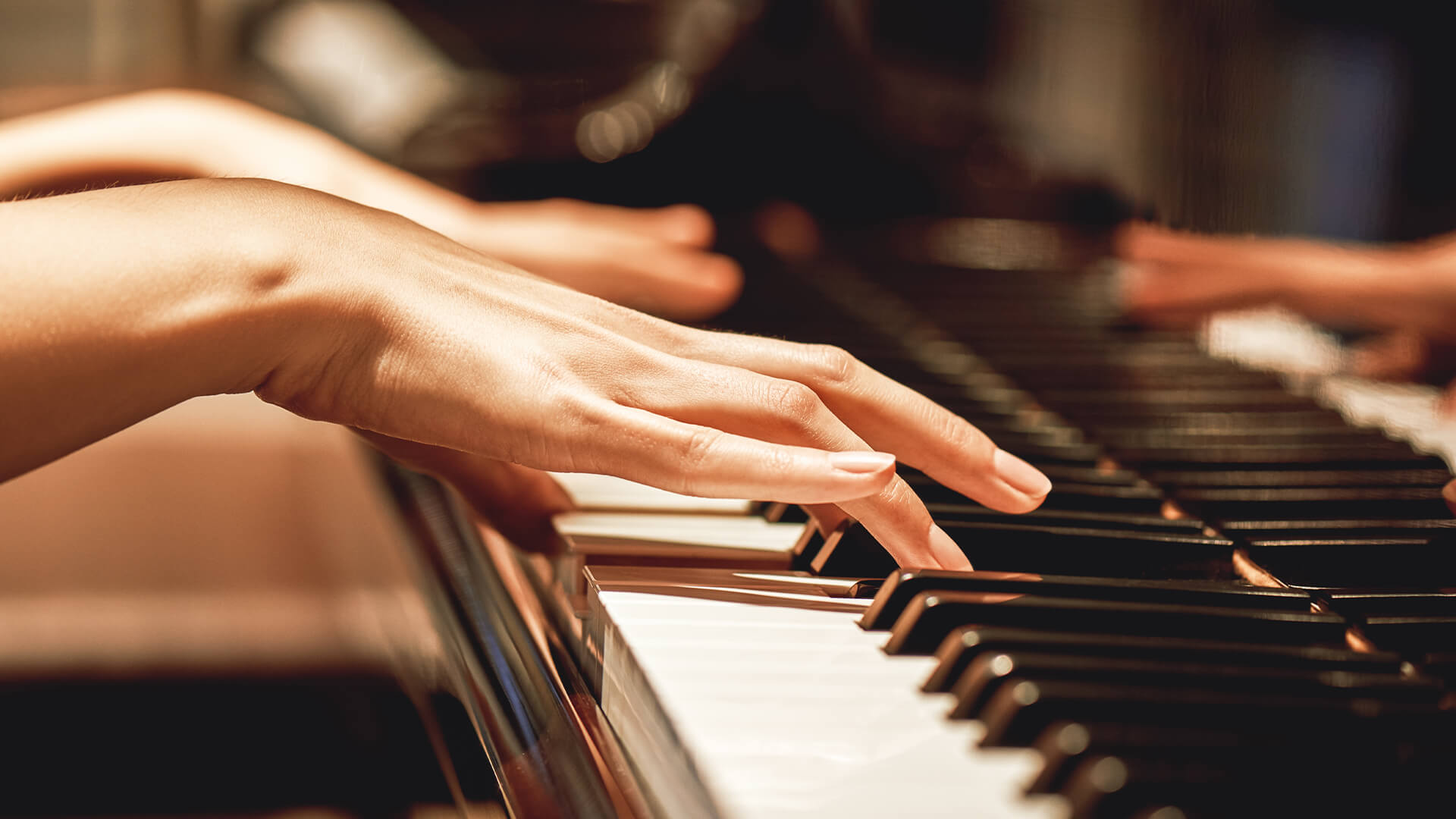
Introducing the online piano training teachers
As it was explained, the best famous piano teachers in Iran are part of Inavaz group so they have accepted to teach piano lessons from beginner to advanced at home. Although all these teachers are among the greats and the bests of this unique instrument but sometimes it becomes difficult for the students to choose one of these teachers for the elementary piano training for children.
So in a very smart move, Inavaz group has presented the list of the best piano teachers on its website and has clearly shown the resumes of these loved ones. Also, along with the resume of these teachers, a free sample of piano lessons from these teachers is also included. So the students of Inavaz institute can choose teacher they want from the list of the best piano teachers and see the sample of children's piano lessons with child expert teachers. In this case, the students will find out whether they build the necessary connection with the teaching method of the teacher they are considering or not.
Needless to say that after seeing a sample of children's piano training with child expert teachers, students can also benefit from a free counseling session with their chosen teacher. In this free counseling session, students have the opportunity to ask all their questions with teacher. For example, one of the common questions of students is, what is the best piano to start the learning with, or how much time of a day should be devoted to practice or similar questions that students can ask the teacher and receive an appropriate answer.
Essential tips and important highlights when you’re buying a piano
When you’re buying a piano, you must consider several important tips. The most important of these are:
- When you’re buying a piano, you should pay attention to the piano keys (black and white keys). Because these keys are different in acoustic and digital pianos, and this subject also depends on the level of the musician.
- It is necessary to check the quality of the sound when you’re buying a piano. This is because the high quality sound of the piano indicates the general quality of the piano itself.
- When you’re buying a piano, you should pay attention to the dimensions of your place and the space you’re considering for the instrument. Then you should choose the weight and dimensions of the piano instrument within considering these subjects.
- The features of the piano should also be considered when you’re buying a piano. Of course, the more features a piano has, the more impact it has on improving a student's playing.
The factors influencing the price of a piano
Piano is that kind of the instruments which have many types. To introduce some types of pianos available in the market, we can mention spinet piano, digital piano, console piano, upright(vertical) piano and grand piano. Each of these pianos has its own characteristics and it’s obvious that the price of pianos is various according to their types.
Surely other factors also have effects on the price of a piano but within all of them we can mention the most important ones which are: the quality of piano sound, piano pedals, piano keys quality, piano keys action with the right weight, the brand of the piano producer, piano options, piano hammer action, and the accessories with the instrument.
The investment amount of online piano training
The investment amount of online piano training has different prices according to the teachers chosen by the students. The price of the piano class for each of the honorable teachers is listed on Inavaz group website; since an online piano training course is planned 4 sessions according to the opinion of Inavaz institute teachers but definitely the number of sessions can be increased according to the request of the students.
According to the explanations presented before, students have to pay the full price of the piano class at the beginning of the online piano training course and then they can use the taken course.
Last words
In this article with the title “online piano training”, at first we discussed about how to hold a piano class at home and how to learn this dreamy instrument from zero to 100 at Inavaz institute. Then it was explained about the teachers in Inavaz group and how to know them better. Also, a brief explanation about buying a piano and the factors affecting its price were also given. Finally, it was explained about the amount that students have to pay to invest in online piano trainings.
In fact, Inavaz Group has attended online piano trainings with the purpose of teaching piano to Iranians abroad as well as English speakers, and it has been very successful so far.
Of course, the goal of Inavaz group is far beyond this level of education, and definitely in the near future, Inavaz group will be able to expand its activity to a high global level and provide better services for the applicants all over the world.
- Basic piano learning books including Nicolife Baer, Michael Aaron, Cherney and John Thomson
- Royal Canadian Conservatory books in ten different levels that include pieces, etudes, scales and arpeggios, music basics and solfege.
- Piano learning books with an emphasis on chords and improvisation, including Pianoforall
- Learning books of different piano styles such as jazz, pop, rock, blues and classical
- Classical music history and analysis books
- Famous and popular Iranian and international pieces and songs that are selected based on your taste and interest
- Learning the basics of music and classical music theory
- Learning the right position while you’re playing the piano
- Learning to transfer energy and create correct sound and fine tone
- Learning to notice the musicality and articulation
- Learning the stylistics and history of classical music
- Learning to play different pieces and songs with different levels
- Learning chords and improvisation
- Beginner level: for those who have no experience playing the piano or can only play a few simple pieces.
- Average level:
- Advanced level 1:
- Advanced Level 2:
For the beginner students, the minimum daily practice is 30 minutes, and they should divide this time throughout the day.
Average students usually make significant progress with 1 hour of practice a day.
For professional students and music academy students, 3 effective hours or more practice a day is enough.
They should divide the training time during the day.