Online Iranian Singing Course in canberra
Links
- Child Music canberra
- Fluet Children canberra
- Orff Music canberra
- Piano Child canberra
- Tonbak Child canberra
- Violin Child canberra
- Xylophone Child canberra
- Accordion canberra
- Cajon canberra
- Cello canberra
- Clarinet canberra
- Classic Violin canberra
- Double Bass canberra
- Electric Guitar canberra
- Flute canberra
- Guitar canberra
- Handpan canberra
- Hangderam canberra
- Harmonica canberra
- Harmonica canberra
- Harp canberra
- Lakota Fluet canberra
- Lyre canberra
- Melodica canberra
- Persian Tang canberra
- Piano canberra
- Saxophone canberra
- Ukulele canberra
- Violin Alto canberra
- Hearing training canberra
- Iranian Singing canberra
- Persian Avaz canberra
- Persian Chore canberra
- Persian Foley canberra
- Persian Pop Singing canberra
- Persian Singing canberra
- Baglama canberra
- Daf canberra
- Darboka canberra
- Divan canberra
- Ghaychak canberra
- Kanun canberra
- Keyboard canberra
- Oud canberra
- Persian Dotar canberra
- Persian Kamancheh canberra
- Persian Ney canberra
- Persian Piano canberra
- Persian Santoor canberra
- Persian Violin canberra
- Setar canberra
- Tanbur canberra
- Tar canberra
- Tombak canberra
Close Filters

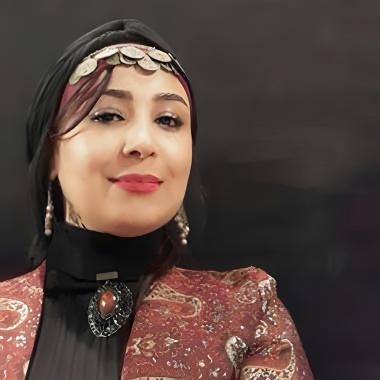
Malihe Rahimi - Iranian Singing course
tuition: 1,000,000 toman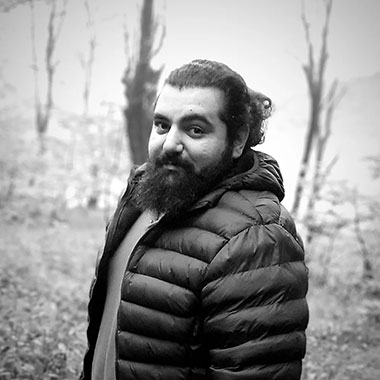
Poorya Zamani - Iranian Singing course
tuition: 1,000,000 toman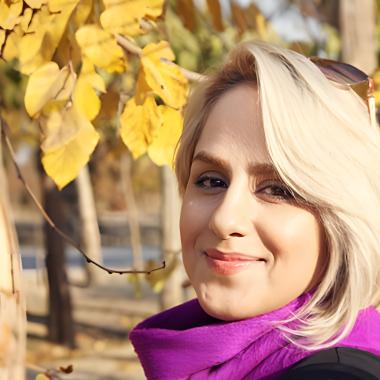
Soror Tavakoli - Iranian Singing course
tuition: 2,000,000 toman
Mohammad Malek - Iranian Singing course
tuition: 500,000 toman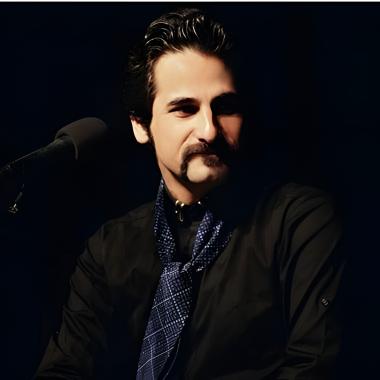
Sharif Tavakoli - Iranian Singing course
tuition: 1,000,000 tomanIranian Singing canberra