Online Persian Avaz Course in canada
Links
- Child Music canada
- Fluet Children canada
- Orff Music canada
- Piano Child canada
- Tonbak Child canada
- Violin Child canada
- Xylophone Child canada
- Accordion canada
- Cajon canada
- Cello canada
- Clarinet canada
- Classic Violin canada
- Double Bass canada
- Electric Guitar canada
- Flute canada
- Guitar canada
- Handpan canada
- Hangderam canada
- Harmonica canada
- Harmonica canada
- Harp canada
- Lakota Fluet canada
- Lyre canada
- Melodica canada
- Persian Tang canada
- Piano canada
- Saxophone canada
- Ukulele canada
- Violin Alto canada
- Hearing training canada
- Iranian Singing canada
- Persian Avaz canada
- Persian Chore canada
- Persian Foley canada
- Persian Pop Singing canada
- Persian Singing canada
Close Filters

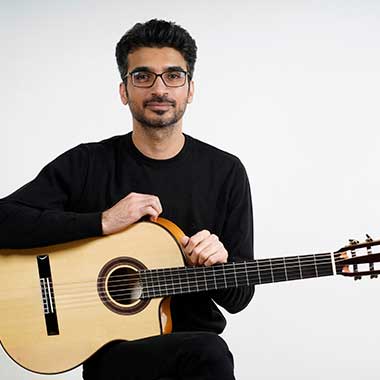
Ali Taheri - Persian Avaz course
tuition: 800,000 toman
Mehran Ghasemi - Persian Avaz course
tuition: 1,400,000 toman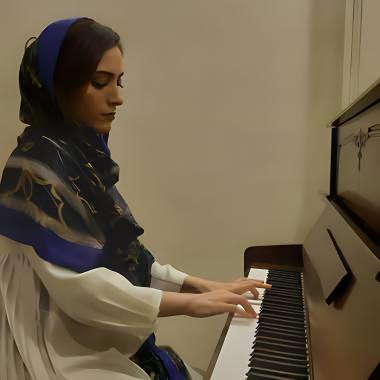
Arshameh Tafteh - Persian Avaz course
tuition: 200,000 tomanPersian Avaz canada
Why is solfeggio important?
Learning solfege has many benefits for musicians and singers, which you will learn about in the following:
• Improve reading notes skills: With solfege you can read notes quickly and correctly. Also play or read from the music sheets.
• Enhancing musical hearing: Solfege helps you distinguish between notes, intervals and chords correctly.
• improving musical memory: by practicing solfege, you can remember melodies and rhythms and perform them easily.
• Musical creativity: Solfege helps you understand the structure of music and compose your own pieces.
• Better player and singer: Solfege helps you become a better musician or singer and enjoy music more.