Online Cajon Course in canada

  • More Links
Links
Close Filters close

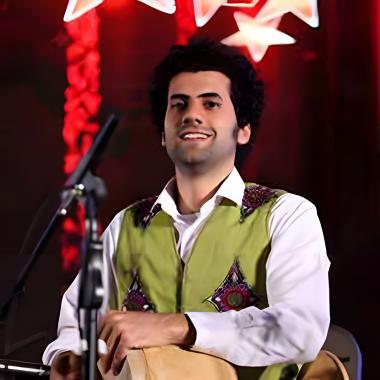
Ehsan Sheikhi

Ehsan Sheikhi - Cajon course

tuition: 1,200,000 toman
5
994
10
30
Amirhossein Moemen

Amirhossein Moemen - Cajon course

tuition: 120,000 toman

5
3859
4
30
Amirebrahim Asadi

Amirebrahim Asadi - Cajon course

tuition: 400,000 toman

5
5453
20
30
Niyayesh Mahdavi

Niyayesh Mahdavi - Cajon course

tuition: 600,000 toman
5
4832
14
30

Cajon canada


Structural features of Cajon

The Cajon or box instrument is a percussion instrument from Peru that dates back to the 1800s. One of the first notable points about the structure of this instrument is that you have to sit on it to play! And its beautiful sound is created by tapping on the front panel (or tapa plate) and the side plates of the instrument. This instrument is actually a rectangular box made of wood. While the side and back and front plates of the box can be 0.5 to 0.75 inches thick, the top board on which the musician sits is made of plywood. There is a hole in the back of the instrument (or sometimes in the left and right walls of the instrument) where the sound exits. In some types of Cajon, the instrument is tuned by loosening and tightening the tension of the strings. This instrument is used in flamenco and jazz style. Some of the most important Cajon players in the world are Mario Cortes, Mike Meadows, Nina Rodriguez, and Stephen Moss.

Music in Canada

Drake, Leonard Cohen, Celine Dion, Shawn Mendes, Neil Young, Johnny Mitchell, Avril Lavigne... What do all these famous yet different musicians have in common? They all belong to the land of music, Canada. The history of music in this country is very old and has famous musicians and singers. In the following, we will explain more about the rich history of this country's music and its special styles.

History, different styles, and instruments of Canada

While Canada has been an independent country for only 150 years, its music history goes back even further. The music of this country is a modified version of European music and other immigrants to this country, by the way, the native and Eskimo music of this country should not be ignored either. With the arrival of the French in its territory and the introduction of instruments such as violin, flute, guitar, and so on, the music history in this country began officially. In addition to teaching these instruments to the natives, Frenches were also taught various styles of dance and singing, and as a result, Canadian music was formed, and in later years, it took root and became what it is today. According to national statistics and a nationwide poll, the most popular style of music in Canada is alternative rock, followed by folk, pop, rock, rap, country, blues, adult contemporary music, world music, and more. In addition to the very visible tradition of taiko playing that has gained popularity across the country in recent decades, traditional instruments such as Shakuhachi, Koto, and Shamisen are recognized and taught in contemporary performances in urban centers across Canada. String instruments making for public use is very popular throughout Canada, and the fiddle is a popular activity among Canadian folk musicians. Other instruments used in French and Anglo-Canadian folk music include guitar, button accordion, harmonica, whistle, Jewish harp, etc.

Free Consultation

Just Put Your Whatsapp or Telegram Number or Email


Free Consultation