Online Baglama Course in canada
Links
- Baglama canada Course
- Persian Piano canada Course
- Tar canada Course
- Tombak canada Course
- Tanbur canada Course
- Darboka canada Course
- Daf canada Course
- Persian Dotar canada Course
- Divan canada Course
- Persian Santoor canada Course
- Setar canada Course
- Oud canada Course
- Kanun canada Course
- Ghaychak canada Course
- Persian Kamancheh canada Course
- Keyboard canada Course
- Persian Ney canada Course
- Persian Violin canada Course
- Child Music canada
- Fluet Children canada
- Orff Music canada
- Piano Child canada
- Tonbak Child canada
- Violin Child canada
- Xylophone Child canada
- Accordion canada
- Cajon canada
- Cello canada
- Clarinet canada
- Classic Violin canada
- Double Bass canada
- Electric Guitar canada
- Flute canada
- Guitar canada
- Handpan canada
- Hangderam canada
- Harmonica canada
- Harmonica canada
- Harp canada
- Lakota Fluet canada
- Lyre canada
- Melodica canada
- Persian Tang canada
- Piano canada
- Saxophone canada
- Ukulele canada
- Violin Alto canada
- Hearing training canada
- Iranian Singing canada
- Persian Avaz canada
- Persian Chore canada
- Persian Foley canada
- Persian Pop Singing canada
- Persian Singing canada


Eghbal Mansour - Baglama course
tuition: 1,200,000 toman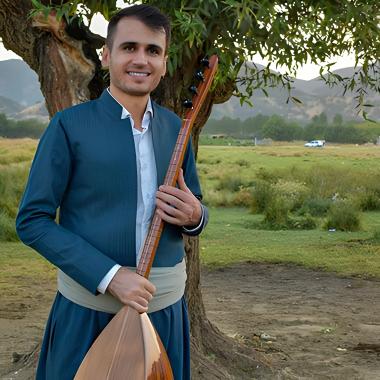
Adnan Ahmadi - Baglama course
tuition: 2,000,000 toman
Yashar Behnoud - Baglama course
tuition: 80,000 toman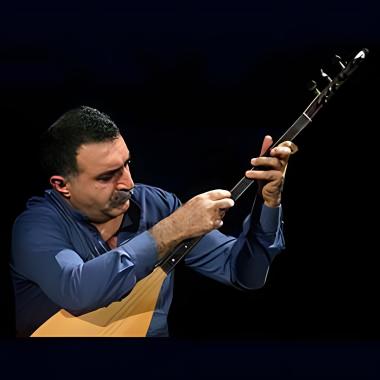
Ardel Arzanjan - Baglama course
tuition: 0 tomanBaglama canada
One of the other key benefits of learning baglama at home is the ability to make a personalized learning environment. Choosing the ideal training space and arranging the repertoire that is made according to your musical tastes, along with the patience and guidance of experienced teachers, will help you speed up your improvement; In this case, you can learn the basic techniques completely and move on to more complex melodies and rhythms. In addition to, learning baglama at home creates a sense of independence and self-discipline. Online learning creates a different world. And because of this purpose, you should find a qualified and suitable teacher, get on with flexibility and at last get ready to learn baglama.
Music in Canada
Drake, Leonard Cohen, Celine Dion, Shawn Mendes, Neil Young, Johnny Mitchell, Avril Lavigne... What do all these famous yet different musicians have in common? They all belong to the land of music, Canada. The history of music in this country is very old and has famous musicians and singers. In the following, we will explain more about the rich history of this country's music and its special styles.
History, different styles, and instruments of Canada
While Canada has been an independent country for only 150 years, its music history goes back even further. The music of this country is a modified version of European music and other immigrants to this country, by the way, the native and Eskimo music of this country should not be ignored either. With the arrival of the French in its territory and the introduction of instruments such as violin, flute, guitar, and so on, the music history in this country began officially. In addition to teaching these instruments to the natives, Frenches were also taught various styles of dance and singing, and as a result, Canadian music was formed, and in later years, it took root and became what it is today.
According to national statistics and a nationwide poll, the most popular style of music in Canada is alternative rock, followed by folk, pop, rock, rap, country, blues, adult contemporary music, world music, and more. In addition to the very visible tradition of taiko playing that has gained popularity across the country in recent decades, traditional instruments such as Shakuhachi, Koto, and Shamisen are recognized and taught in contemporary performances in urban centers across Canada.
String instruments making for public use is very popular throughout Canada, and the fiddle is a popular activity among Canadian folk musicians. Other instruments used in French and Anglo-Canadian folk music include guitar, button accordion, harmonica, whistle, Jewish harp, etc.