Online Oud Course in liverpool
Links
- Baglama liverpool Course
- Persian Piano liverpool Course
- Tar liverpool Course
- Tombak liverpool Course
- Tanbur liverpool Course
- Darboka liverpool Course
- Daf liverpool Course
- Persian Dotar liverpool Course
- Divan liverpool Course
- Persian Santoor liverpool Course
- Setar liverpool Course
- Oud liverpool Course
- Kanun liverpool Course
- Ghaychak liverpool Course
- Persian Kamancheh liverpool Course
- Keyboard liverpool Course
- Persian Ney liverpool Course
- Persian Violin liverpool Course
- Child Music liverpool
- Fluet Children liverpool
- Orff Music liverpool
- Piano Child liverpool
- Tonbak Child liverpool
- Violin Child liverpool
- Xylophone Child liverpool
- Accordion liverpool
- Cajon liverpool
- Cello liverpool
- Clarinet liverpool
- Classic Violin liverpool
- Double Bass liverpool
- Electric Guitar liverpool
- Flute liverpool
- Guitar liverpool
- Handpan liverpool
- Hangderam liverpool
- Harmonica liverpool
- Harmonica liverpool
- Harp liverpool
- Lakota Fluet liverpool
- Lyre liverpool
- Melodica liverpool
- Persian Tang liverpool
- Piano liverpool
- Saxophone liverpool
- Ukulele liverpool
- Violin Alto liverpool
- Hearing training liverpool
- Iranian Singing liverpool
- Persian Avaz liverpool
- Persian Chore liverpool
- Persian Foley liverpool
- Persian Pop Singing liverpool
- Persian Singing liverpool
- Baglama liverpool
- Daf liverpool
- Darboka liverpool
- Divan liverpool
- Ghaychak liverpool
- Kanun liverpool
- Keyboard liverpool
- Oud liverpool
- Persian Dotar liverpool
- Persian Kamancheh liverpool
- Persian Ney liverpool
- Persian Piano liverpool
- Persian Santoor liverpool
- Persian Violin liverpool
- Setar liverpool
- Tanbur liverpool
- Tar liverpool
- Tombak liverpool
Close Filters

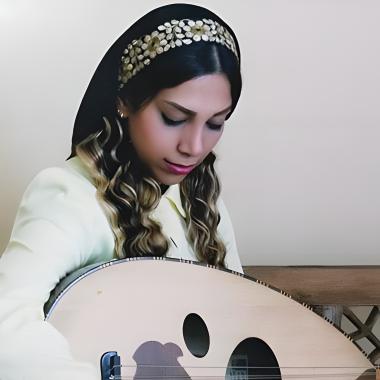
Parastoo Khandani - Oud course
tuition: 750,000 toman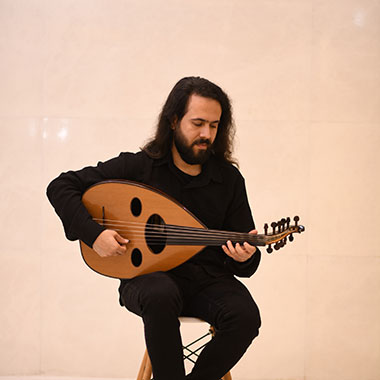
Eghbal Mansour - Oud course
tuition: 750,000 toman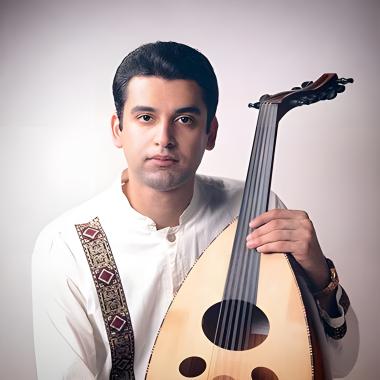
Pooya Khoshbin - Oud course
tuition: 400,000 tomanOud liverpool
Oud, an original and melodious instrument that has been held a special place in our musical culture from long ago, with a warm and deep sound, takes the listener on a journey deep into history and emotions. If you are also fascinated by oud and want to learn how to play this instrument, there are different ways to learn it.
- Oud (Barbat) training: Barbat class: being in face-to-face barbat classes provides an excellent opportunity to learn the basics step by step with the guidance and direct supervision of an experienced teacher. In these classes, besides to teaching the techniques and delicacy of playing, you can interact with other students and use their experiences.
- Barbat online training: If you are unable to attend face-to-face classes due to busyness or place limits, Oud online class can be a suitable alternative. In this method, by using virtual platforms and video communication with the teacher you choose, you can have the specialized and focused training at any time any place.
- Learning oud: besides to the mentioned methods, there are also many educational resources available for self-taught oud learning. Educational books, handout and educational videos can be your guide in learning this instrument.
- Free oud training: In addition to specialized training courses, there are many websites and YouTube channels that offer free oud training. These resources can be a good supplement to learn oud along with other methods.
- Choosing the best method: The best method for learning oud depends on various factors such as your learning style, your budget and the time you spend on the learning. If you are looking for a basic and structured learning, face-to-face or online oud classes can be a good choice. But if you prefer to learn by yourself, there are many free and non-free educational resources available for you to learn and to play the oud.
- Choosing the right oud: The first step to start learning oud is to choose an oud that suits your needs and level. At the beginning, you can use student’s ouds and after a while, as you improve, you can get more professional ouds.
- Constant practice: The key to success in learning any instrument is continuous and regular practice. Try to devote some time to practice oud every day, even if it is 15 to 30 minutes.
- Use online educational resources: There are many websites and YouTube channels that provide free and specialized barbat training. These resources can include instructional videos, manuals, and even online courses.
- Educational books and software: many educational books have been published in Persian language in the field of barbat and oud education. These tools can be your guide in this way and you can learn the oud at home with the best possible quality. There is also some educational software that help you learn by providing interactive exercises.
- Flexibility: You can learn at any time and any place you want.
- Affordability: Learning at home is much economical than attending face-to-face classes.
- Speed of progress: You can progress at your desired speed according to your plan and interests.
- Choosing the right educational resources: Choose educational resources that suits your level and your learning style.
- Making schedules and organizing: Have a regular schedule for yourself and practice constantly.
- Patience and trying your best: learning any musical instrument requires patience and perseverance. You may face some challenges in the way of learning, but don't get discouraged and keep moving forward.
- Using educational methods and principles: try to use the correct educational methods and principles so that you can learn the basics of playing barbat and oud.
- Communication with other students: You can communicate with other students through forums and online groups to use their precious experiences.